Put up a curtain rod without drilling
Published on 18 October 2026
A standard curtain rod hangs on brackets screwed into the wall or ceiling above the window. In a rented home, those holes show and are hard to fill well. There are, however, several ways to hang a curtain or a net curtain without a drill: by tension between two sides, by clamping onto the window or with adhesive. This guide compares them. Every product mentioned is in our selection of curtain rods without drilling, where you can enter the width to cover.
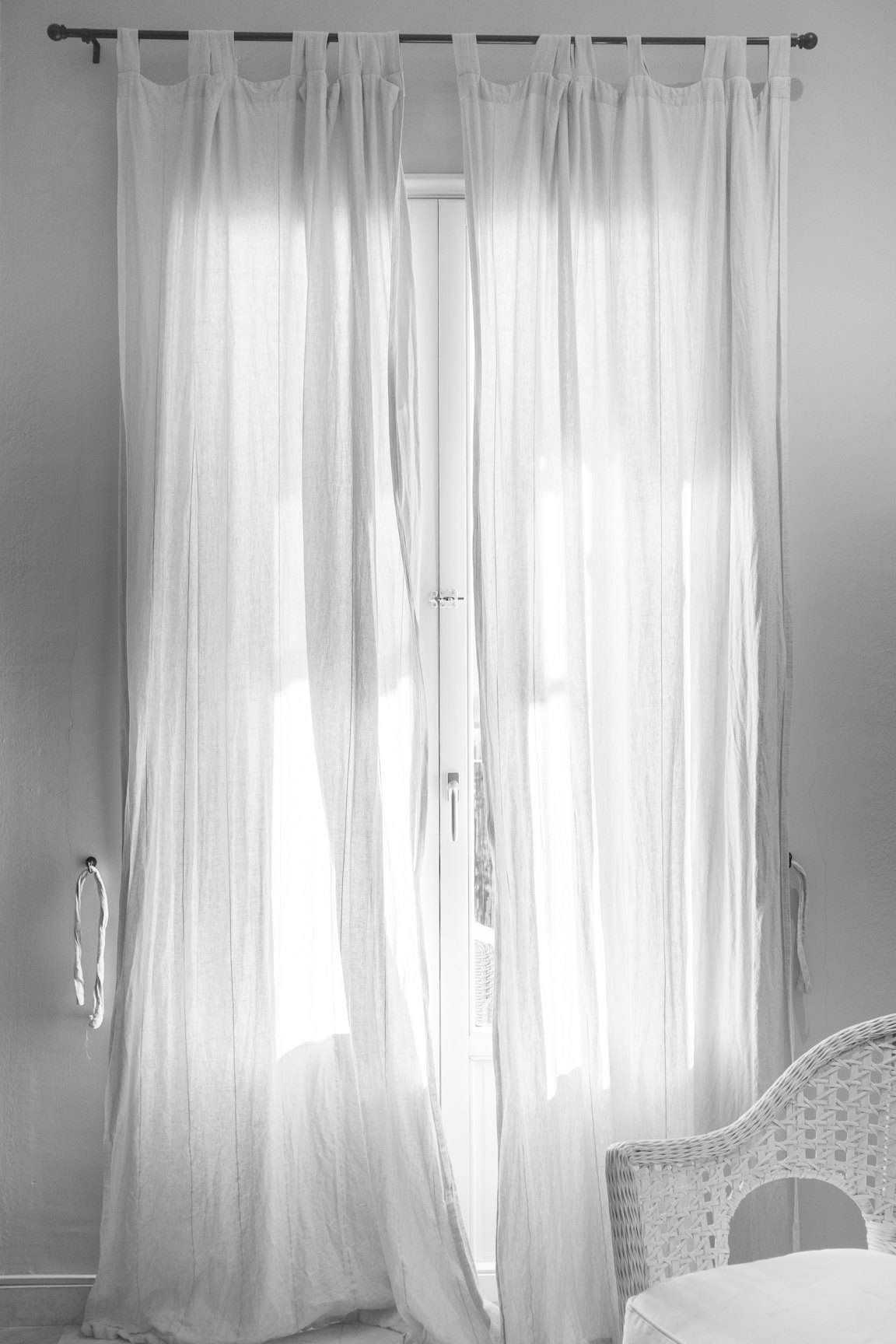
Three ways to hold without drilling
Tension between two sides
A spring-loaded or screw-out telescopic rod is set to the width you need and wedged between two sides: the sides of a window recess, an alcove or a door frame. The Gardinia Spannstange Ø 23/26 mm tension rod covers 60 to 220 cm depending on the version and fits in a door frame or a window alcove; Gardinia states it comes off without residue.
For a small net curtain right in the window rebate, the Gardinia Klemmstange Ø 6/8 mm tension rod (35 to 120 cm) and the Gardinia Filigrano Press&Go Ø 8/10 mm tension rod (30 to 110 cm) wedge into the frame. The IKEA FJÄDRANDE extendable curtain rod fits onto the window frame with a spring system, from 70 to 120 cm, and IKEA states a maximum load of 2 kg.
Clamping onto the sash
Clamp rods grip the opening sash of the window and move with it: handy for a privacy net on a window you open often. They depend on how thick the sash is. The Gardinia Klemmvitrage Ø 10/12 mm clamp rod clamps onto a sash about 12 to 16 mm thick with a rubber seal, and carries only 250 g. The Gardinia Spannvitrage Ø 7/9 mm sash rod takes sashes up to 15 mm thick, or 20 to 28 mm with an adapter sold separately.
Adhesive
The Powerstrips curtain hooks hold a rod of up to 1 kg on a smooth window frame and come off without marks, according to tesa. They are neither waterproof nor moisture-resistant: keep them away from a shower. The Gardinia Seilspannvitrage Ø 2.2 mm adhesive curtain wire replaces the rod with a wire stretched between two adhesive pads, cut to the length you need up to 150 cm.
Measure before you buy
- Choose where the rod will hold: between the sides of the recess, in the window rebate or on the sash.
- Measure the exact width there, at the height you will fit it, in centimetres. For a clamp rod, also measure how thick the sash is.
- Pick a rod whose adjustment range includes your measurement, ideally not at the very end of it.
On our page, enter the width to cover: the list keeps only the rods whose range, as stated by the manufacturer, includes it.
The weight of the curtain
Most makers of telescopic rods state no maximum load: our product pages say so in the weaknesses. When it is stated, it is modest (from 250 g to 2 kg in our selection). These rods suit net curtains and light curtains; for a heavy blackout curtain, check the load in the instructions before you buy.
A shower rod without drilling
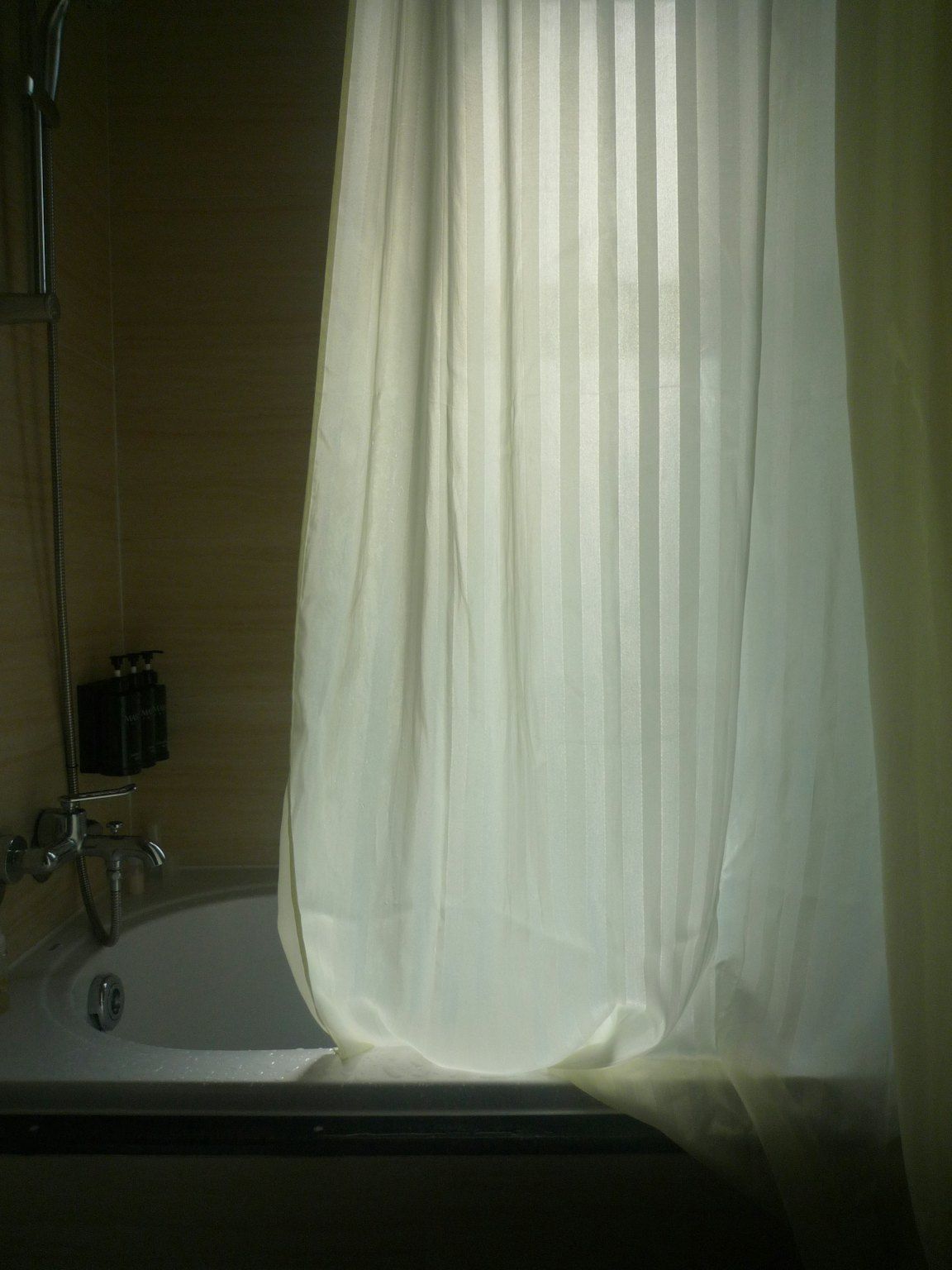
The principle is the same in the bathroom: a telescopic rod is wedged between the two walls on either side of the bath or shower. The Wenko aluminium telescopic shower rod goes from 70 to 245 cm depending on the version, the Kleine Wolke Federstange spring shower rod from 75 to 250 cm, the IKEA BOTAREN shower curtain rod from 70 to 200 cm. Measure the distance between the two walls at the height you want and follow the instructions to tighten it.
Taking the rod down when you move out
A tension or clamp rod is loosened and taken out. For adhesive holders, follow the removal method in the instructions. Then check the sides of the recess: the end caps can leave a mark on delicate paint.